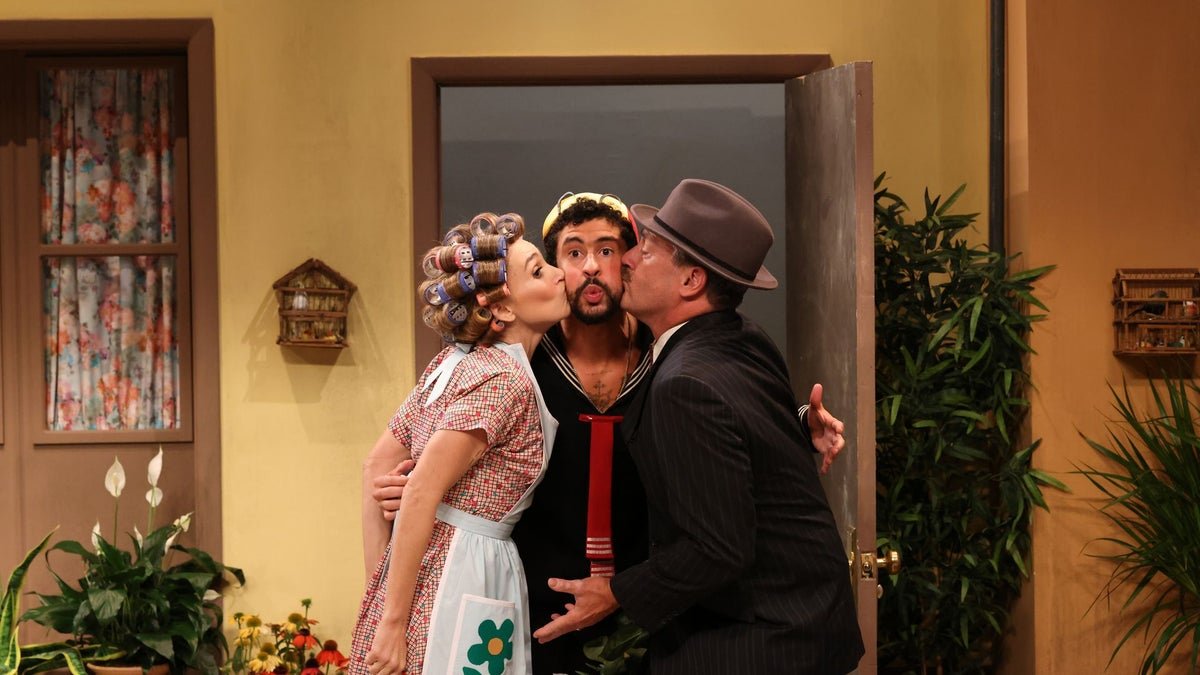
When the Puerto Rican superstar Bad bunny returned to the host Saturday night livefans expected lots of laughs, music and cultural nods. No one expected an emotional journey to one of the most iconic shows in Latin America: “El Chavo del Ocho”.
In the skit, Bad Bunny played Quico, the spoiled but adorable child known for his sailor suit and exaggerated pout, while SNL cast member Marcello Hernandez he played the beloved orphan El Chavo. For Latinos, this was a time of recognition, nostalgia, and cultural validation. To non-Latino viewers, it may have simply seemed like a bizarre reenactment.
 © Rosalind O’Connor/NBC via Getty
If El Chavo del Ocho doesn’t mean anything to you, or you didn’t grow up there, don’t worry. Here’s what you need to know about the show that defined an era of Latin American television.
The legacy of “El Chavo del Ocho”
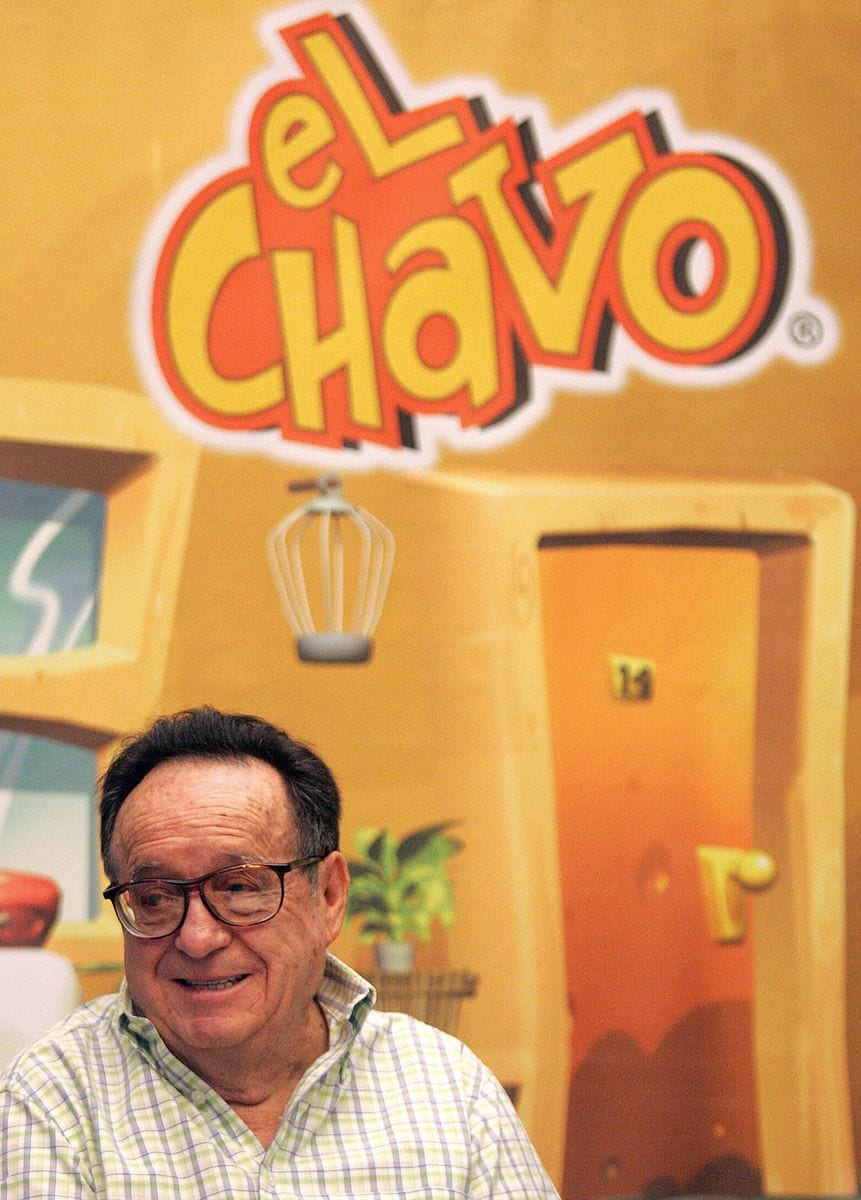
To understand the roots of the skit, it’s helpful to know what “El Chavo del Ocho” represents to generations of Latinos. Created by Mexican comedian Roberto Gómez Bolaños, better known as Chespirito (“Little Shakespeare”), the sitcom first aired in 1973 and quickly became a cultural phenomenon.
 ©AFP via Getty Images
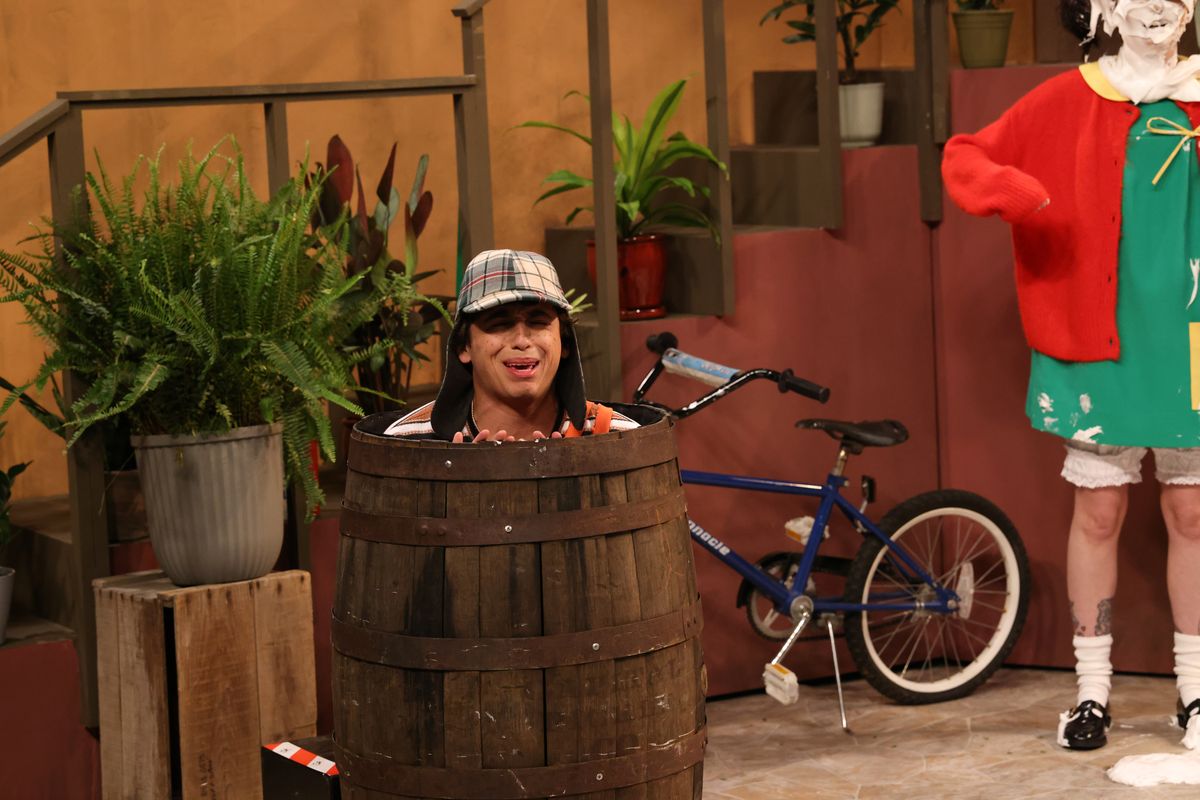
The story centered on El Chavo, a poor orphan who lived in a barrel in a fictional world quarterwhich is a Mexican residential complex. The series followed his misadventures with his neighbors, including Quico, Doña Florinda, Don Ramón and La Chilindrina.
 © Will Heath/NBC via Getty Images
Despite the simple set and low-budget production, the show had a profound resonance because it captured universal themes such as friendship, poverty, pride, jealousy, humor and resilience.
At its peak, the show had over 350 million viewers per episode across Latin America and Spain. It has become a staple of family life, passed down from parents to children and even dubbed into Portuguese for Brazilian audiences (Chaves). In the United States it aired on Univision, becoming a touchstone for Latino immigrant families.
Because the SNL The skit hits home
Seeing Bad Bunny, Marcello Hernandez, Chloe Fineman, Jon Hamm, Andrew DismukesAND the rest of the cast members bring these characters back to life SNL it meant more than just laughter. It was a recognition of Latino pop culture on one of America’s biggest comedy stages. For decades, Latino families have carried El Chavo as a symbol of shared identity, but mainstream American television rarely acknowledges him.
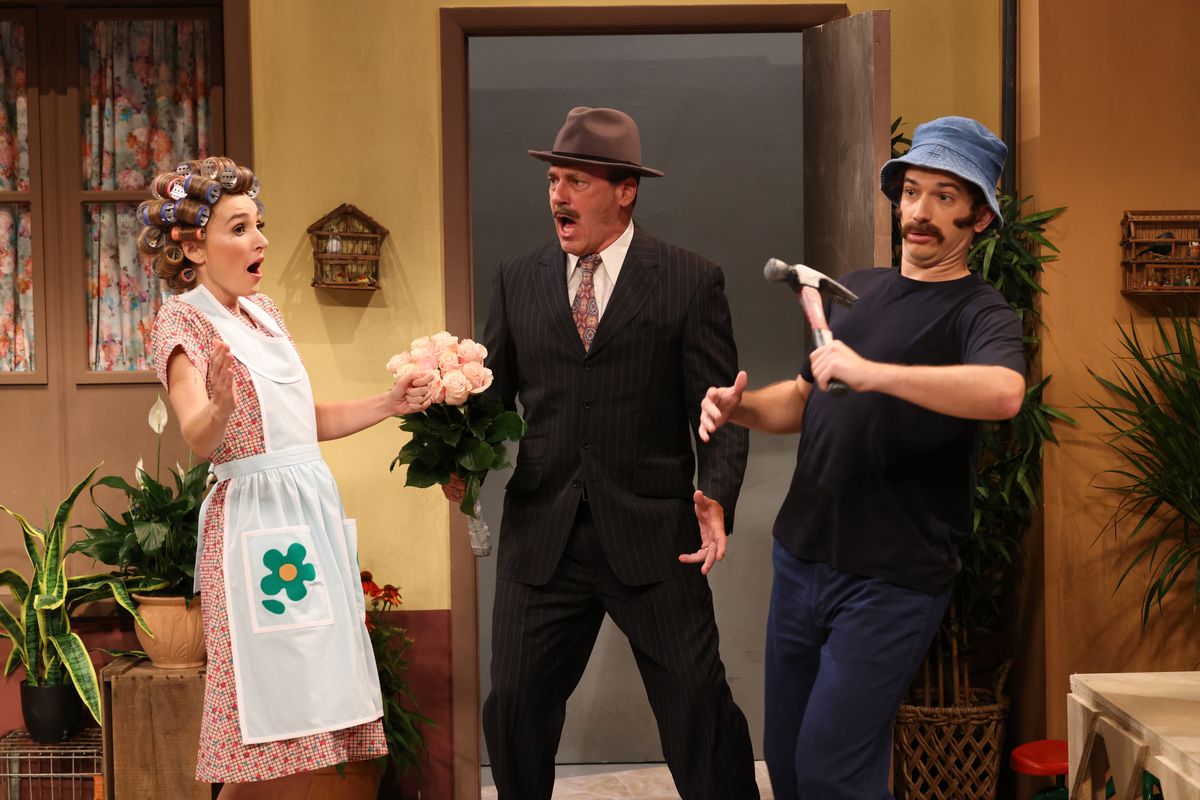 © Will Heath/NBC via Getty Images
For Latinos who grew up with the show, the skit seemed to say, “We see you. We know this is important to you.” It was a confirmation of childhood memories, of sitting in the living room with parents and grandparents, laughing at El Chavo’s innocent misunderstandings or Quico’s jealous outbursts.
For Puerto Ricans in particular, see Bad bunnya global superstar who has made a career out of embracing his identity, the step into this world has been particularly powerful. He was reminding audiences that Latin American culture belongs on global stages.
The importance of the show
If you were too young when “El Chavo del Ocho” was popular, here’s the best way to think about it: IIt was Latin America’s “I Love Lucy” or “The Simpsons.” It was a cultural glue that connected millions of people across borders, languages and generations.
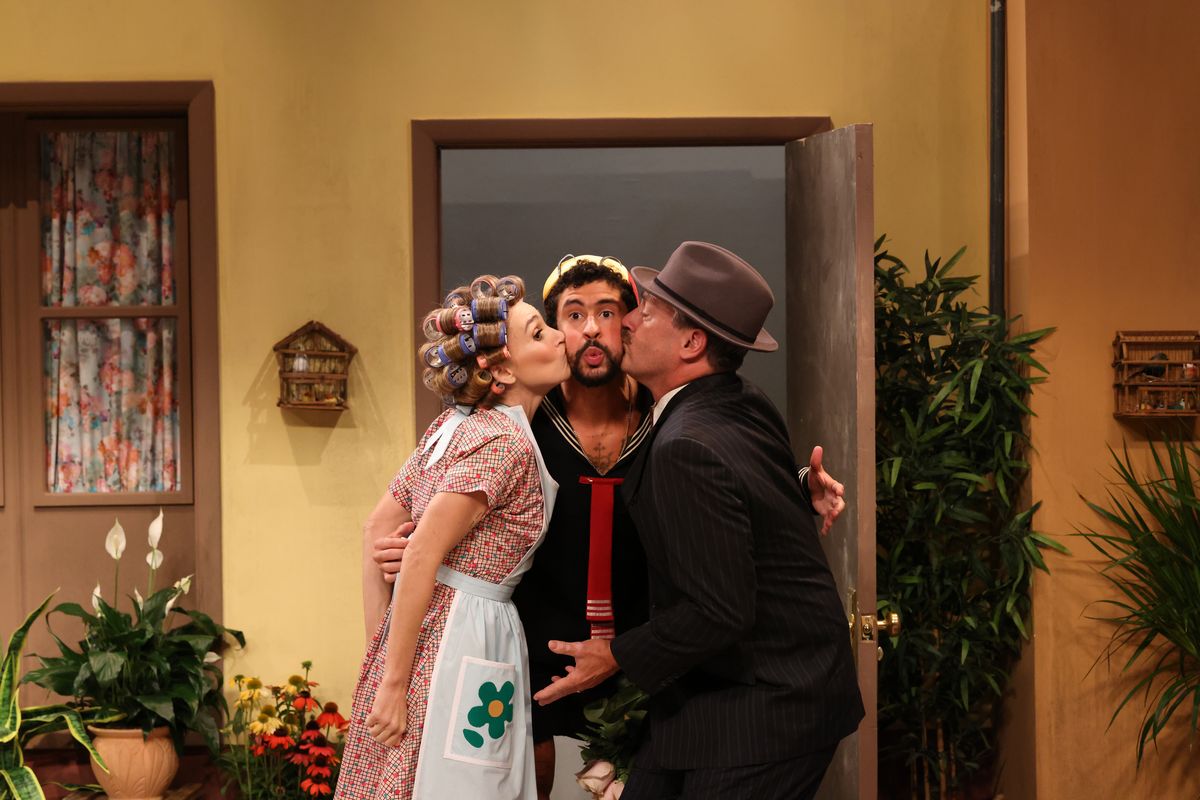 © Will Heath/NBC via Getty Images
The humor was slapstick and simple, but that’s why it worked, because it spoke to both children and adults. The show made poverty visible in a way that was not demeaning, but rather humanizing. It highlighted the dignity, humor and struggles of ordinary people.
So when SNL revived him, he was a bridge between cultures. Non-Latino viewers may not catch every reference, but understanding that this show has the same nostalgia and cultural weight as the greatest American sitcoms helps decode why it was so important.
About the Author


