With the launch of Acrobat Studio, Adobe introduced a powerful new ecosystem with PDF spaces, AI-powered insights, and content creation through Adobe Express. The challenge was that productivity tools are often perceived as functional but culturally invisible, and traditional feature demos tend to reinforce that perception. To break through, the campaign adopted a self-consciously absurd format: a celebrity jingle heralding enterprise-grade software.
Taking full advantage of the awkwardness of trying to ‘go viral’, the campaign allowed comedy to emerge naturally from an overconfident marketing ambition rather than a mockery of the product itself. Each performance used creative exaggerated notes, unexpected musical genres and heartfelt celebrity performances to create humor through contrast. The joke wasn’t Acrobat; it was the process of creating ads.
The goal was to reward attention, encourage repeat viewing, and embed real product training within a comedic structure that was self-aware, socially native, and shareable. By treating humor as a strategic tool rather than a tonal layer, the campaign aimed to shift perception, boost memory, and make Acrobat feel human, relevant, and truly funny.
Acrobat Studio’s Celebrity Jingle campaign was created by treating humor as a strategy, not as a topping. The plan was to reintroduce a deeply functional productivity product by turning the cumbersome marketing process into a joke, positioning Acrobat Studio as the calm, capable center of the chaos.
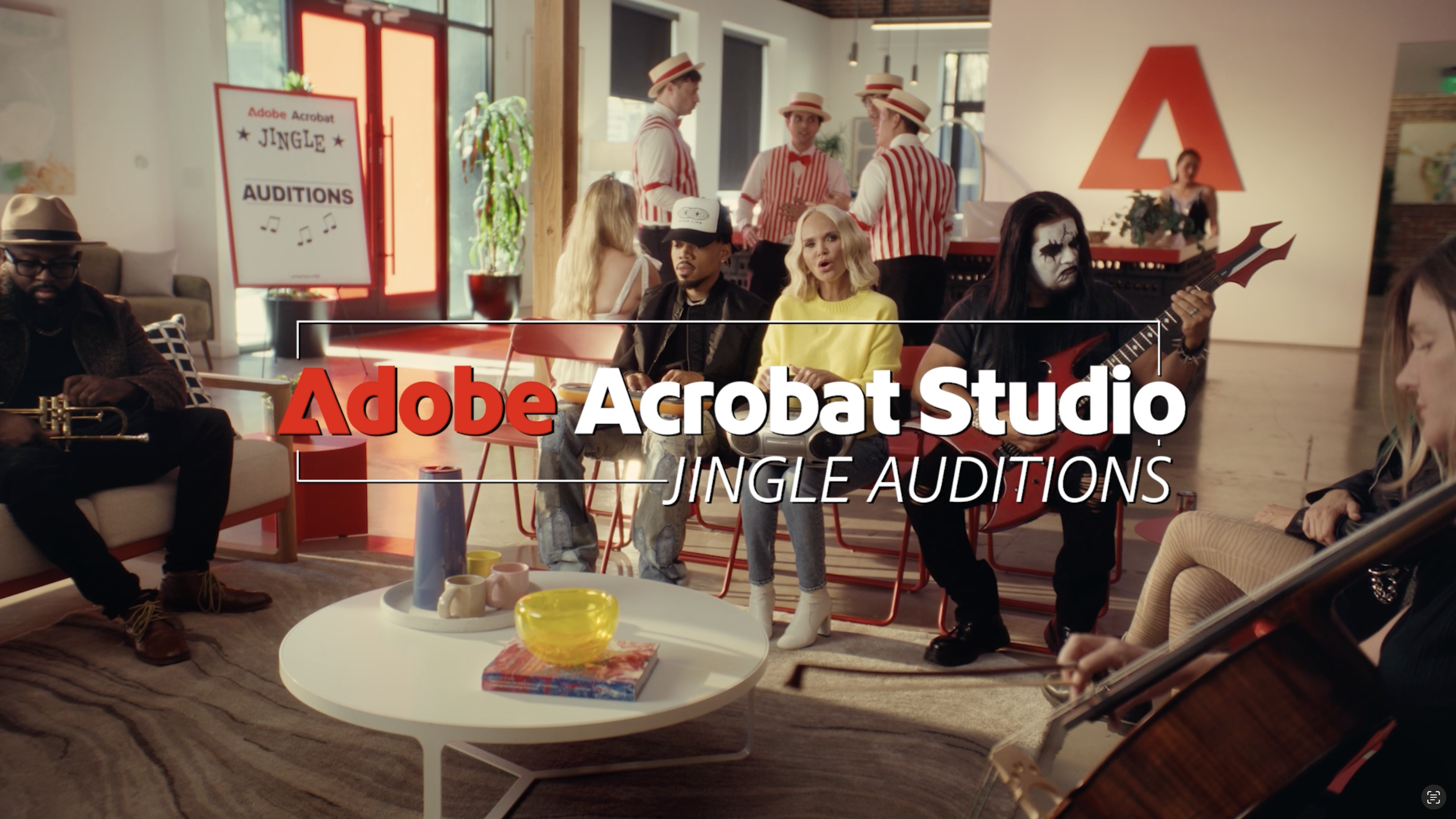
The team began by identifying a universally recognizable creative tension: the overconfidence and excess that often accompanies attempts to “go viral.” Instead of exaggerating the product, the campaign exaggerated the people tasked with selling it. This insight shaped the play’s central structure, fictitious open auditions for an acrobats jingle, in which serious musical talent collided with increasingly misguided creative direction.
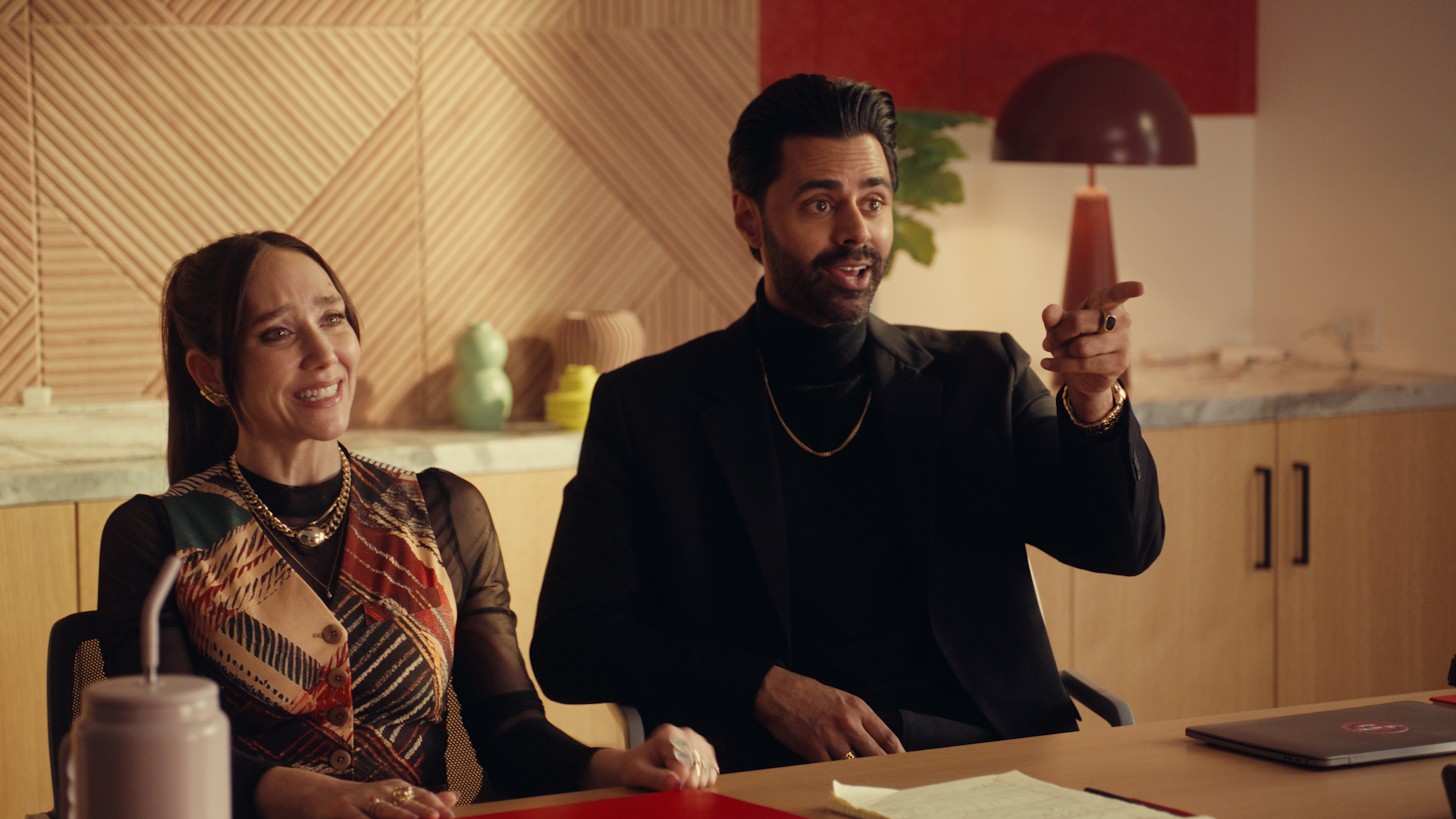
Execution followed a “writer’s room” approach, with scripts developed collaboratively to ensure comedic beats were character-driven and earned. The humor was built on contrast and sincerity. Musicians were asked to perform with utmost seriousness, while imaginary salesmen provided exaggerated and overly specific notes. Acrobat Studio has never been the punchline. The joke was in human behavior, not technology.
Music functioned as both a comedic tool and an educational mechanism. Each performance used the same jingle structure across very different genres, turning repetition into a feature rather than a liability. Product benefits, including PDF spaces, AI-powered insights, and content creation via Adobe Express, have been embedded directly into texts, allowing information to repeat itself without feeling instructive or forced.
The campaign was conceived as a modular, social-first series rather than a single spot. A hero video established the premise, followed by individual celebrity “callouts” optimized for TikTok, Instagram Reels and Shorts. Each piece functioned as a joke in its own right, while reinforcing a larger comic world, encouraging repeat viewing and audience comparison across genres.
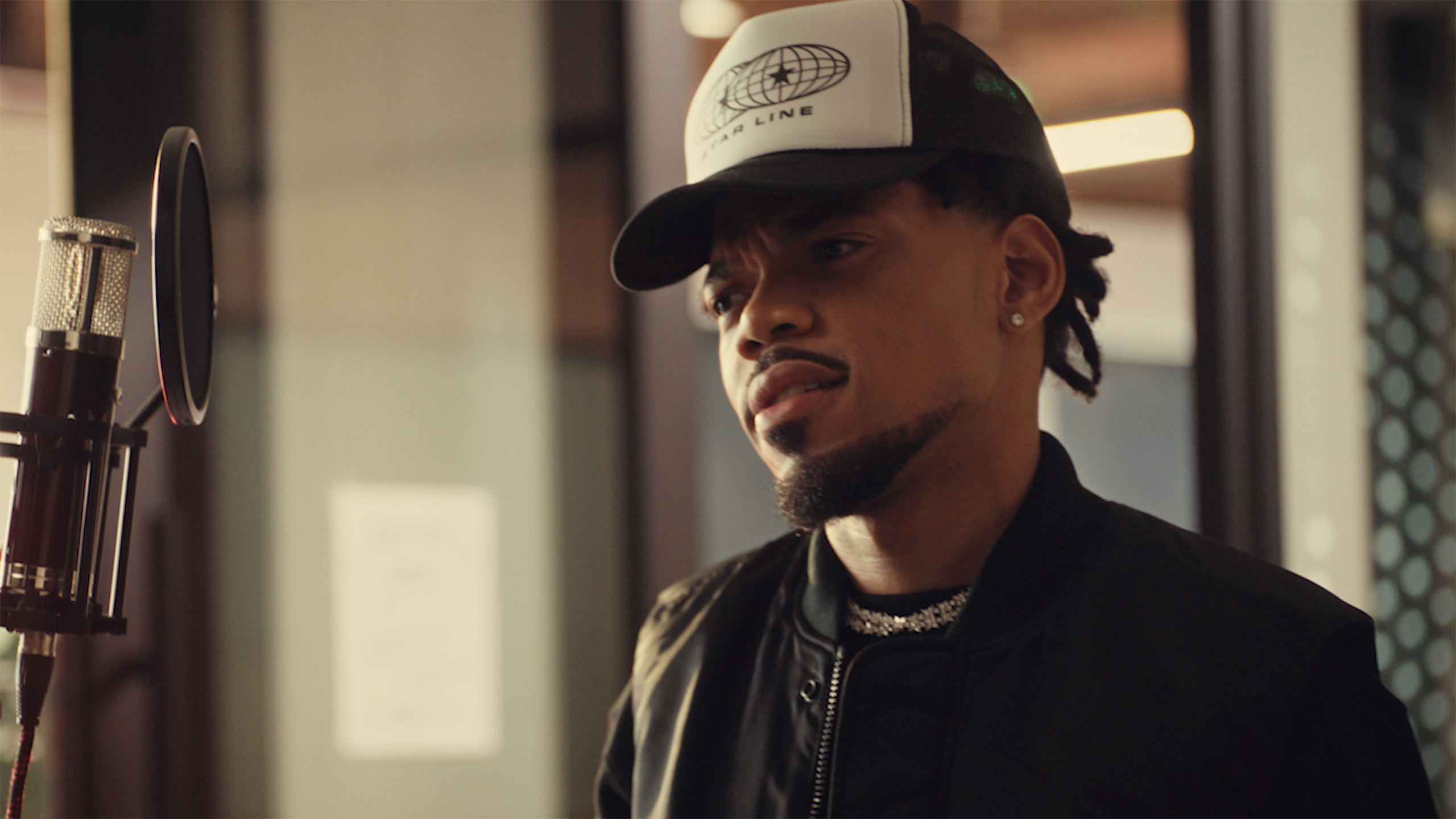
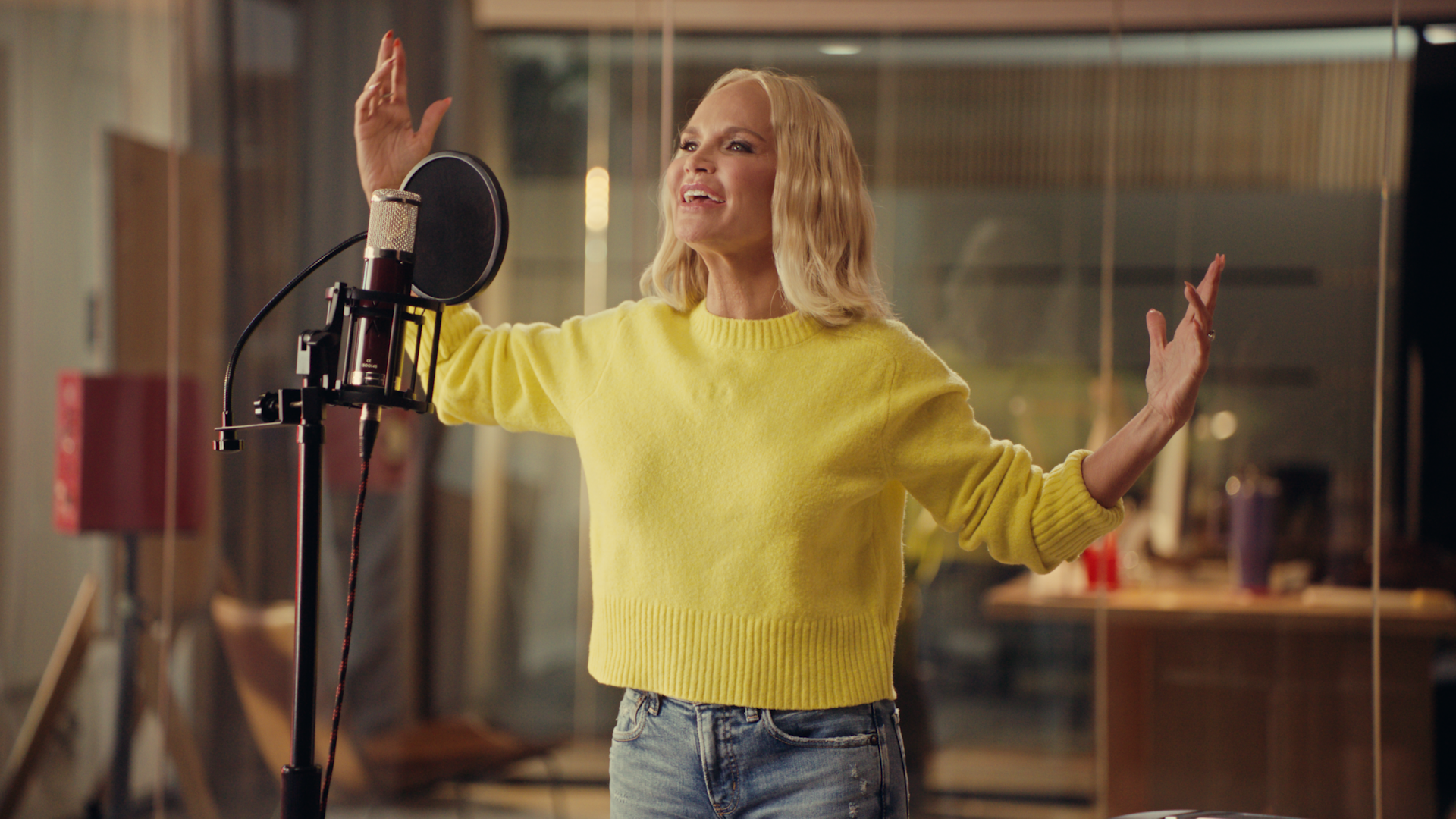
The casting was key to the humor. Talent from Broadway, hip-hop, Internet comedy and alternative music were selected for their ability to fully engage in high performances without irony. Artists like Chance the Rapper, Kristin Chenoweth, Lewky and Leenda Dong brought credibility and contrast, elevating the joke through sincerity.
A key executive feature was the integration of Acrobat Studio itself through a dedicated PDF space that acted as a backstage pass. This extended the comedy beyond the video, while demonstrating the real usefulness of the product in a playful and interactive way.
The main challenge was maintaining comedic clarity while providing real product training. This was addressed by anchoring each bar to a functional truth and ensuring that feature explanations lived within the musical structure rather than interrupting it.
What made the work unique was its sobriety. By laughing at the advertising process rather than the product, the campaign demonstrated that humor can build trust, elevate perception and even make productivity software truly entertaining.
Acrobat Studio’s Celebrity Jingle was successful because its humor-focused approach achieved the campaign’s goal: attract attention, encourage repeat viewing, and shift the perception of Acrobat from a purely functional tool to a modern, culturally relevant platform.
Within 30 days of launch, Acrobat social content generated 68.2 million total interactions, exceeding its 30-day goal of 58.5 million by 116%. The campaign also generated 1.2 million engaged interactions, hitting 97% of the 1.3 million KPIs, demonstrating that audiences weren’t just encountering the content, but were actively choosing to watch, engage and share it.
Comedic structure played a direct role in these results. By incorporating product training within an intentionally absurd jingle format, the campaign rewarded repeat viewing and encouraged audiences to compare performances across genres and creators. This helped sustain momentum beyond the hero video as individual celebrity recalls continued to work organically within their respective platforms.
Public sentiment further validated the approach. The campaign achieved 91% positive to neutral sentiment, with approximately 1,900 positive to neutral comments on the company’s social media channels. Viewers consistently cited the humor, self-awareness and sincerity of the performances as reasons for engagement, highlighting the fact that the comedy reinforced rather than distracted from the brand message.
The campaign was considered a success because it demonstrated that humor, when treated as a strategic tool rather than a tonal layer, can drive both the reach and quality of engagement. By making people laugh without making a joke of the product, Acrobat Studio has successfully repositioned itself as modern, humane and relevant in a crowded social landscape.

About the Author


