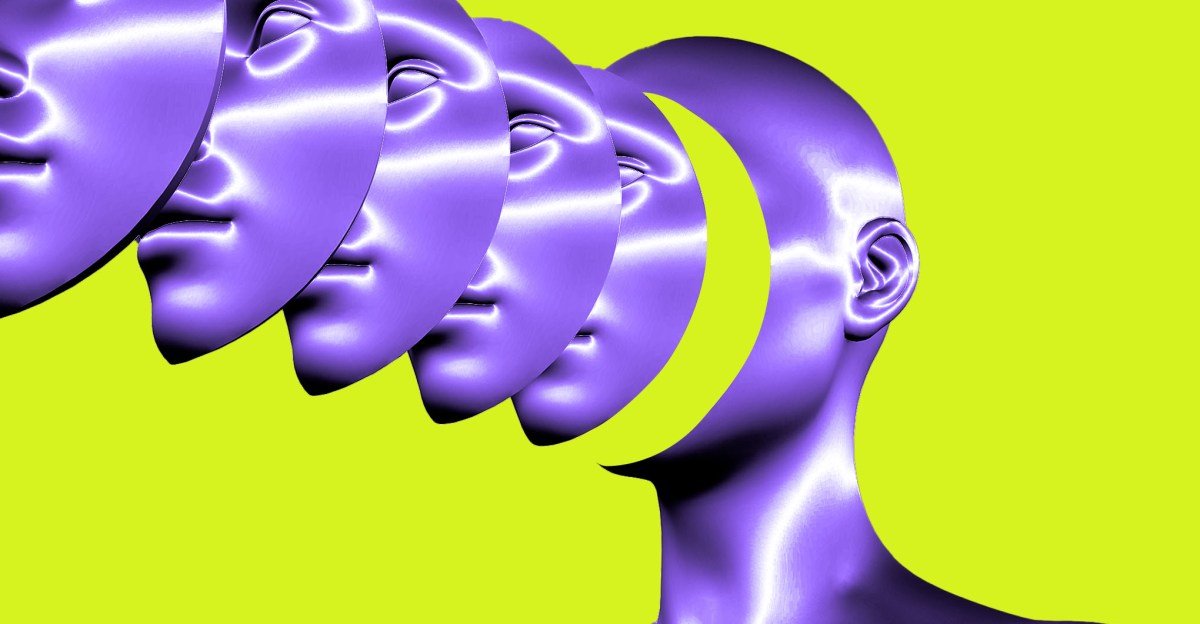
YouTube is expansion its AI deepfake monitoring feature in Hollywood, meaning some AI celebrity videos may soon disappear.
The platform’s similarity detection feature searches YouTube for AI deepfake content and flags it for public figures signed up to the program. Public figures can use it to track AI content on YouTube or request its removal (removals are evaluated). YouTube’s privacy policyand not all requests will be approved). YouTube started test the functionality with content creators last fall; in March, the company expanded the program to politicians and journalists. YouTube says the tool will cover celebrities regardless of whether they have a YouTube account.
The system requires participants to submit ID and a video selfie of themselves. (Similarity detection focuses specifically on faces, rather than a voice or other identifying characteristics.) Removal of deepfakes is not guaranteed, and protected use cases such as parody or satire exist. YouTube has previously said that when content creators have used the feature, they have only requested the removal of a “very small” number of videos themselves.
YouTube compared similarity detection to Content ID, its system for finding (and removing) copyrighted material on the platform. The difference is that with Content ID, rights holders can choose to monetize the videos of other users who use their material and split the revenue. This is not yet possible with similarity detection, but it clearly seems like the direction the industry is moving in.
Earlier this month, YouTube announced a feature that allows creators to digitally clone their likenesses using artificial intelligence, which could then be inserted into videos. Talent agency CAA (which YouTube says has supported the expansion of similarity detection) did so a database full of customer biometric data that entertainers can keep or use for business opportunities. TikTok star Khaby Lame actually sold the rights to her image, which would then be used to sell products online. (The agreement has encounter several speed bumps and it’s unclear whether it’s closed, second Company interior.)
In an interview with The Hollywood journalistsome talent managers frame the explosion of AI deepfakes as a way for the entertainment industry to engage with fans. Some celebrities may want their AI content retired when eligible; others may let fan-made AI content proliferate. And in the future, entertainment artists may welcome their own AI-powered deepfakes, as long as they get paid.
About the Author


