
Fury erupted after a well-known celebrity accused of sexual abuse by multiple women was allowed to remain anonymous, despite a High Court judge rejecting his bid to prevent the allegations from being published.
RadarOnline.com can reveal that more than 30 women have given first-hand accounts of alleged sexual abuse by the notorious man, identified only as PPT, with more than 100 people interviewed by ITN and the Caretaker in Great Britain.
Hospitalized star denies exploitation allegations
The accused man, identified only as “PPT”, has strongly denied all allegations.Unsplash.com
The celebrity, who is currently in hospital, denies the allegations, which involve alleged inappropriate and exploitative sexual activity involving multiple young women.
And the notorious individual – accused of “inappropriate and exploitative sexual activity” with numerous young women – cannot yet be named should he appeal.
The ruling drew fierce criticism from press freedom activists and lawyers, who warned that allowing people to use suicide threats to prevent damaging allegations from being reported could have a chilling effect on journalism.
One press freedom campaigner told us: “There is considerable outrage that, despite more than 30 women providing first-hand accounts, the public is still being kept in the dark about the identity of the individual involved.
“The concern is that the mere threat of legal action, backed by claims about the consequences of publishing, could make journalists increasingly reluctant to investigate allegations involving powerful people.
“For the women who have come forward, it must be deeply frustrating to see the individual’s identity remain protected while their accounts are at the center of such a significant legal battle.
“The ruling may have dismissed the injunction, but the continued anonymity means that the issues of public interest surrounding this case are far from resolved.”
Injunction rejected, anonymity prolonged
Public anger erupted after a famous celebrity faced multiple allegations of sexual wrongdoing.Unsplash.com
He had sought a permanent injunction against ITN and Guardian News and Media, claiming the publication could have a potentially fatal impact.
His lawyers told the court he had threatened to take his own life if the allegations became public, following two previous suicide attempts.
But Judge Nicklin rejected the UK request, finding the arguments did not provide an adequate legal basis to prevent its publication.
He said: “These statements need to be taken seriously. However, they do not establish that suicide is inevitable. The risk can be reduced through treatment.”
Despite rejecting the injunction, the judge ruled that the celebrity would remain anonymous while the deadline to appeal remained open and pending his decision.
The court also clarified that it had not decided whether the allegations were true.
Free speech experts warn of chilling precedents
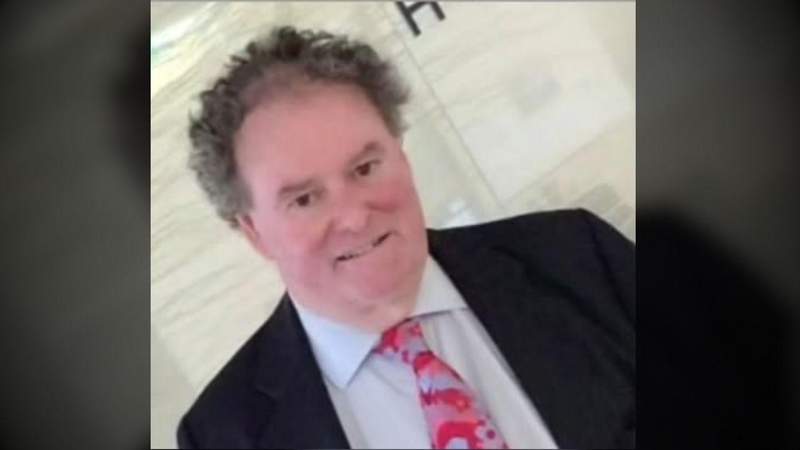
Attorney Mark Stephens argued that the defense went too far by attempting full censorship.@satinderdhillon1/Instagram
The outcome has sparked concern among free speech advocates, who believe that preventing publication in such circumstances could have made it much more difficult for journalists to investigate allegations against powerful figures.
Lawyer Mark Stephens, of Howard Kennedy, said of the celebrity: “He and his lawyers have gone too far because there are steps that can be taken to resolve his situation that are excluded from censure.”
Press freedom campaigner Ian Hislop, who runs the satirical magazine Private eye in the UK, warned that passing the injunction could set a dangerous precedent for the media.
He said: “I can imagine that almost anyone contacted about any story would say that this has had a very serious impact on their mental health and could lead to them becoming suicidal. And I think it would have a chilling effect on all journalism.”
Criminal defense lawyer Marcus Johnstone also questioned the implications of allowing suicide threats to become a reason to stop reporting.
He said: “If someone accused of a crime could say: ‘I’m a suicide risk, so no one is allowed to report this’, then where do you draw the line?”
The defense appeals Suicide risk vs. Freedom of the media
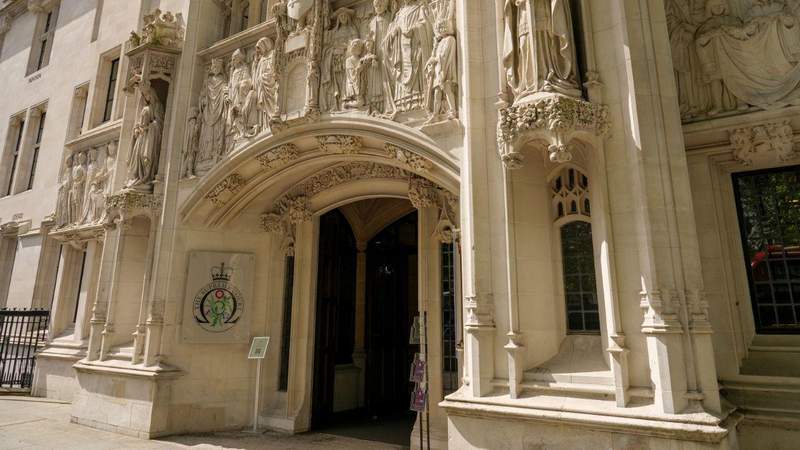
A High Court judge rejected the celebrity’s request to block publication.MEGA
Lawyer Sara Mansoori KC, representing the celebrity, had argued that publishing her client’s name “would have a potentially fatal impact”.
After the ruling, he said his client was “in a highly vulnerable position” and that no instructions had yet been given about a possible appeal.
The court heard that the celebrity had also relied on the possible impact on his son. However, Judge Nicklin said there was no direct evidence from the son or anyone speaking on his behalf to assess his rights and interests.
Gavin Millar, representing ITN and Guardian News and Media, argued that there is no established precedent that publishers have a duty to prevent the risk of death before publication.
The judge confirmed that anonymity and reporting restrictions will remain in place during the period allowed for any appeal and pending his decision.
About the Author


