Whether or not a TV show goes on the air depends largely on the pilot episode. Making a pilot is a tall order, sure. You write the episode, cast all the main actors, build the sets, film, edit, finalize and then hope that what you’ve created is good enough to get the green light. But why does the industry call them “pilot episodes”? Where did the term come from and how did it enter the television lexicon? Well, for that we need a quick history lesson.
If we trace the word “pilot” back in time, we find its oldest roots in ancient Greece as “pedotes”, which referred to someone who helmed or steered a ship. From there it entered the French vocabulary as “pillote” and Italian as “pilot” in the 16th century. At that point, the word referred to a helmsman in control of a ship. In the 19th century, the definition was expanded to include someone who controlled a hot air balloon, and then in the 20th century it evolved again to refer to someone tasked with piloting an airplane.
It wasn’t until 1928 that scientists and researchers first used the word to refer to a prototype or test version of something. After the advent of television, the industry eventually adopted the term “pilot” to refer to the first test episode that would be distributed to networks.
Pilot episodes can make or break a series
Even though the pilot is the first episode to be produced, it is not always the first episode that audiences get to see. In fact, sometimes we never get to see it at all. It usually has to do with changes required by the network. Sometimes, these changes are so huge, the pilot ends up being fully recovered as in the case of “Game of Thrones”, which had to eliminate almost the entire plot and replace some cast members, including replacing the original Daenerys actress Tamzin Merchant with Emilia Clarke.
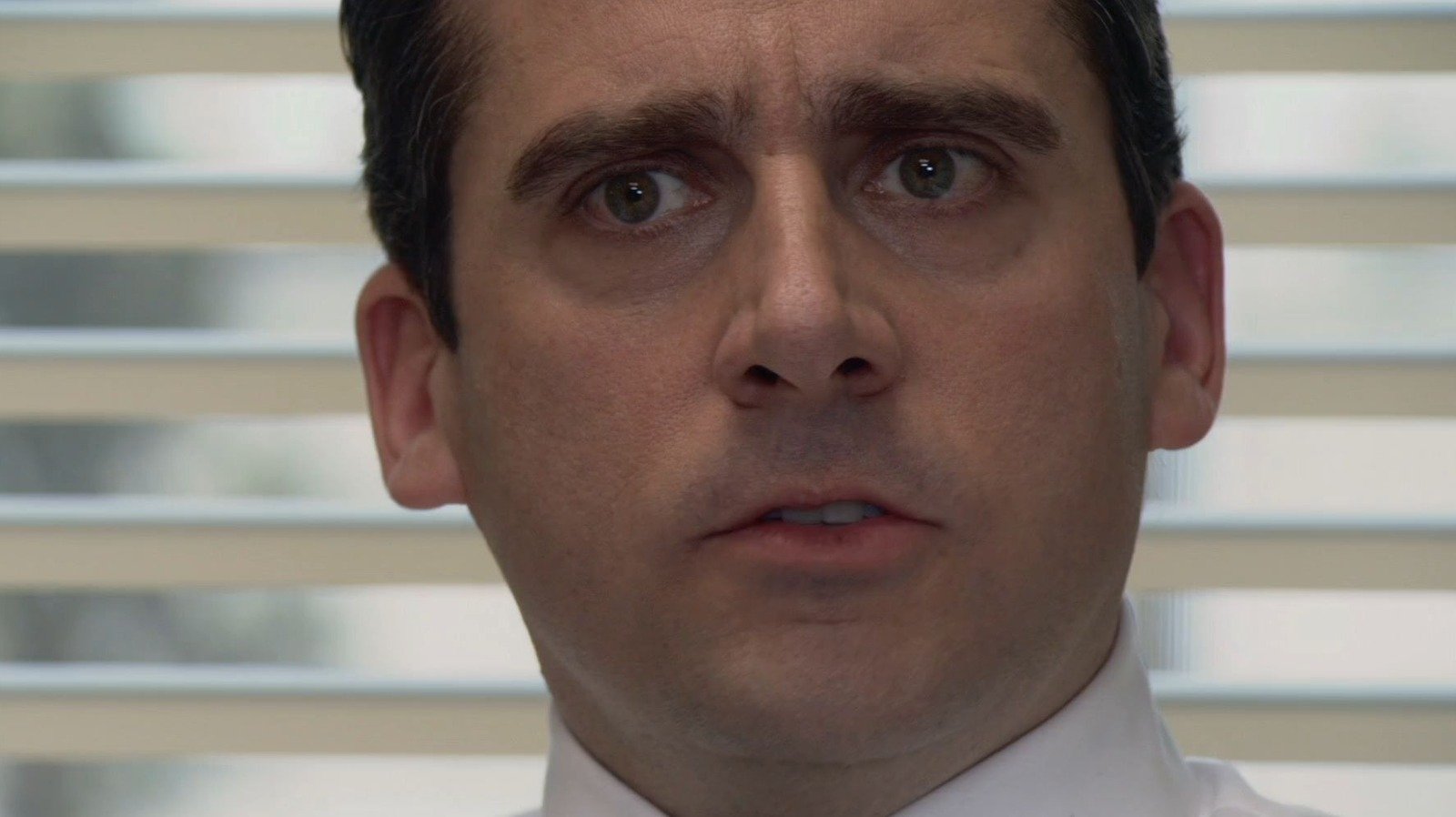
In some cases, pilot episodes feel like rough drafts of what a show wants to be. Take “The Office,” for example. The main characters are all present, but they aren’t fully formed yet. Michael is silly, but nowhere near as wacky (or funny) as he gets. The rest of the cast is also much more reserved in the pilot than in future episodes.
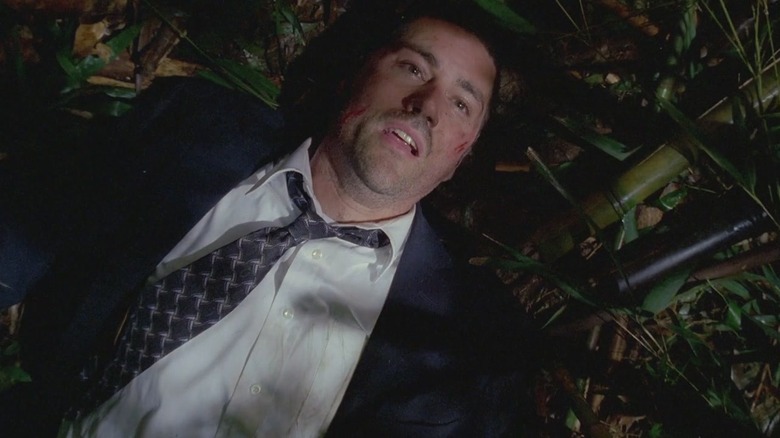
Of course, some creators frame their pilots perfectly. The best pilot episodes of all time captivate audiences right away, like “The Walking Dead,” where you and Rick experience the zombie apocalypse together. It’s not unusual for pilots to run out a major twist to attract both audiences and potential networks. “Lost” famously had several, including a creepy smoke monster and a polar bear who both appeared on the desert island. Regardless of how they’re made, pilot episodes remain an effective way to figure out whether or not you have a hit on your hands.
About the Author


