In a major deal that could have implications for broader use of generative AI in Hollywood, YouTube AND CAA are collaborating on tools that will let celebrities manage their appearances on the platform, including videos that could use generative artificial intelligence to recreate a star’s look.
The Google-owned video platform and talent agency announced the deal Tuesday morning, framing it as a way to responsibly use artificial intelligence technology while protecting artists and creators. YouTube says it will also begin testing the tools with “top YouTube creators, creative professionals, and other leading partners representing talent” in the coming months.
“Neal and I began talking earlier this year about the importance of creating a responsible AI ecosystem that protects artists while unlocking new possibilities for creative expression,” says Bryan Lourd, CEO and co-president of CAA. “At CAA, our conversations around AI are centered around ethics and talent rights, and we applaud YouTube’s leadership for creating this talent-friendly solution, which is fundamentally aligned with our goals. We are proud to partner with YouTube as it takes this significant step in giving talent more control over their digital image and how and where it is used.”
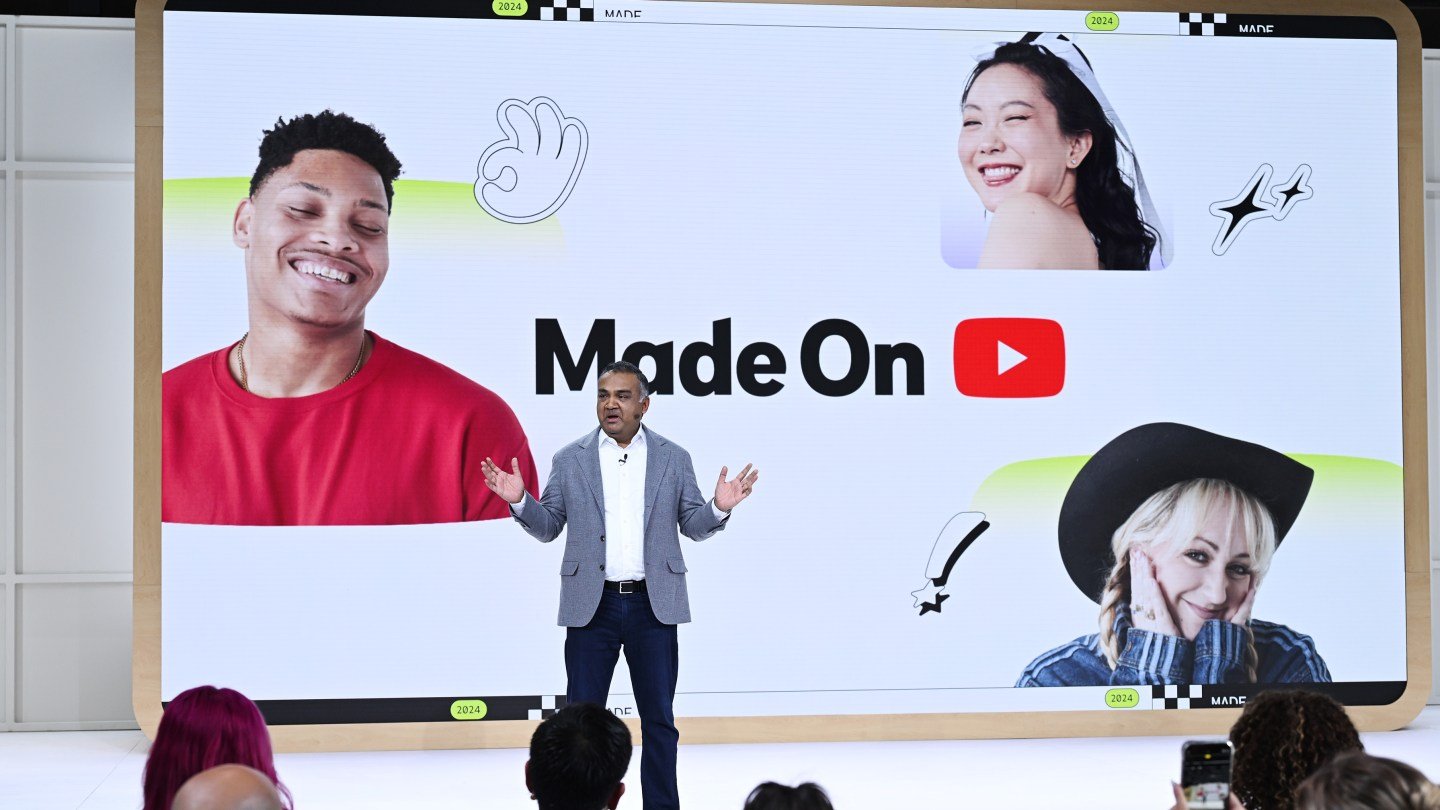
“At YouTube, we believe that a responsible approach to AI starts with strong partnerships,” says YouTube CEO Neal Mohan. “We are thrilled to partner with CAA, an organization that shares our commitment to empowering artists and creators. In the days ahead, we will work with CAA to ensure that artists and creators experience the incredible potential of artificial intelligence while maintaining creative control over their appearances. This partnership marks a significant step toward building that future.”
Specifics on the new tools are a bit vague for now, with the platform saying it’s “early-stage technology designed to identify and manage AI-generated content featuring their likeness, including their face, on YouTube at scale.”
In addition to featuring content featuring their likeness, celebrities will also be able to submit takedown requests through YouTube’s privacy complaint process.
AAC has had a complex relationship with generative AI technology. The agency has been aggressive in defending its clients, such as when Scarlett Johansson criticized OpenAI for releasing an AI-generated voice that looked suspiciously like hers.
“[OpenAI CEO Sam Altman] lives in a different world and has a different understanding of what artists do and what they own, literally, ethically and morally,” Lourd said to Financial times conference in the month of June. “To OpenAI’s credit, they got it [the voice] down when I asked them to take it off. I don’t think they did it out of the goodness of their hearts. I think they removed it because they realized how complicated the situation they had created and entered into was.”
He also said at the conference that there was “nothing but opportunity around artificial intelligence,” given the ability of stars to monetize their likenesses in ways that require far less actual work and the ability to create far more content at a lower cost.
CAA has its own business, the CAA Vault, which hosts digital likenesses and voices of stars that can be licensed for film, television and commercial projects, with their approval and of course for a fee.
CAA and New Enterprise Associates’ Connect Ventures also led a 20 million dollar investment enter Deep Voodoo, a deepfake company founded by South Park creators Matt Stone and Trey Parker.
YouTube, meanwhile, was aggressively adding artificial intelligence tools on its platform to help creators develop and publish content. At the same time, it did he promised to add guardrails specifically cracking down on deepfakes and similar sounds.
The company said yes in development similarity detection technology earlier this year, with the CAA partnership the first step in rolling it out on a large scale.
About the Author


